Foundation Repair in Schertz, TX
Comal Foundation Repair provides free foundation inspections for Schertz homeowners. Whether your home is a 1970s ranch near Randolph or a 2020 build in The Crossvine, a free inspection determines what’s happening beneath your foundation and whether repair is needed.
Request A Free Estimate
How Schertz Soil Affects Home Foundations
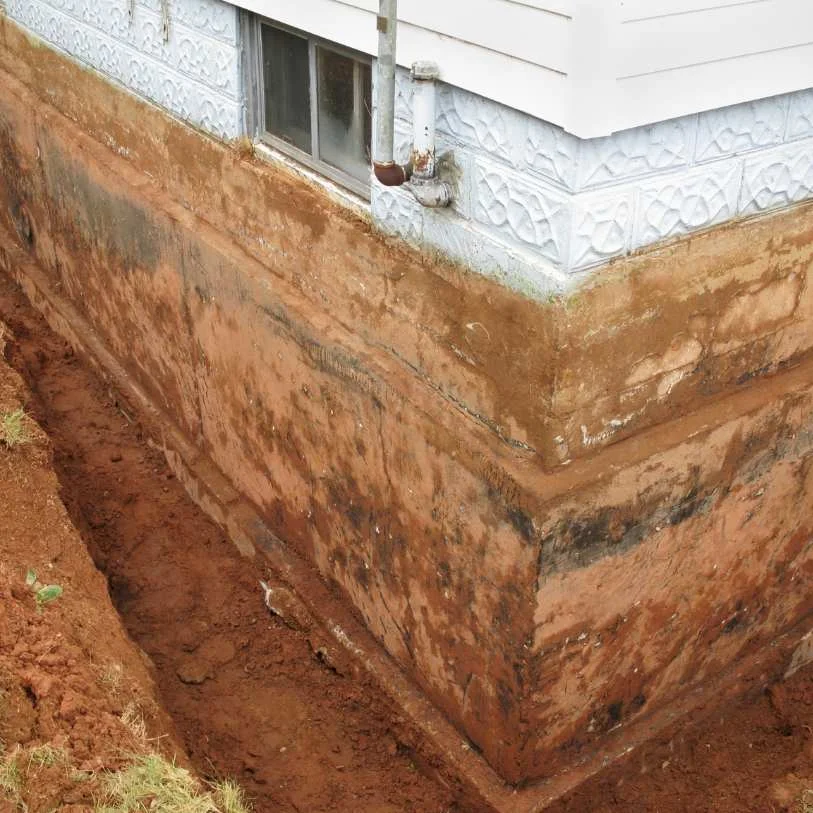
Foundation repair in Schertz, Texas, comes down to two generations of housing sitting on the same difficult clay. Schertz’s older core, the neighborhoods along FM 78 near Randolph Air Force Base, was built in the 1950s through 1980s. These homes were constructed to lighter foundation standards and have been through 40 to 70 years of the Blackland Prairie’s wet-dry cycles. The newer growth, the subdivisions along FM 3009 and FM 1103 toward Garden Ridge and Cibolo, features engineered slabs on freshly developed land where cut-and-fill grading can create its own settlement problems within the first few drought seasons.
Both generations sit on the same high-shrink-swell Blackland Prairie clay that defines the I-35 corridor through this part of Texas. The soil, classified as Eddy series with gravelly clay loam composition, transitions sharply from Edwards limestone to deep, highly plastic clay along the Balcones Fault. Schertz sits right in this transition.
Why Schertz Homes Develop Foundation Problems
High-shrink-swell clay. Schertz’s Blackland Prairie clay is “corridor-classic” material with high plasticity that swells when wet and contracts aggressively when dry. The soil is hardest on slab edges with southern and western sun exposure, where solar heating dries the perimeter soil faster than the interior, creating differential movement.
Seasonal moisture swings. Schertz averages 4.46 inches of rain in May (its wettest month) and just 1.6 inches in December and January. This seasonal moisture swing creates soil pressure changes beneath slabs that no foundation can entirely resist without proper drainage design.
Older homes, lighter standards. The 1950s through 1980s neighborhoods around FM 78 were built to foundation standards that predate modern understanding of expansive clay behavior. These slabs have been through decades of soil movement, and cumulative settlement is common.
Newer homes, fill settlement. The FM 3009 and FM 1103 growth corridor features homes built on freshly developed agricultural land. The cut-and-fill grading process mixes disturbed fill into the native clay, changing how it settles. These homes often show foundation symptoms within their first 3 to 7 years as the pad consolidates and the soil goes through its first major drought.
Decades of drainage drift. In the older neighborhoods, decades of incrementally modified landscaping, added patios, and filled flower beds have gradually redirected drainage toward the house a few inches per decade. Standing water at the foundation after a storm is the first sign this has happened.
Foundation Repair Services in Schertz
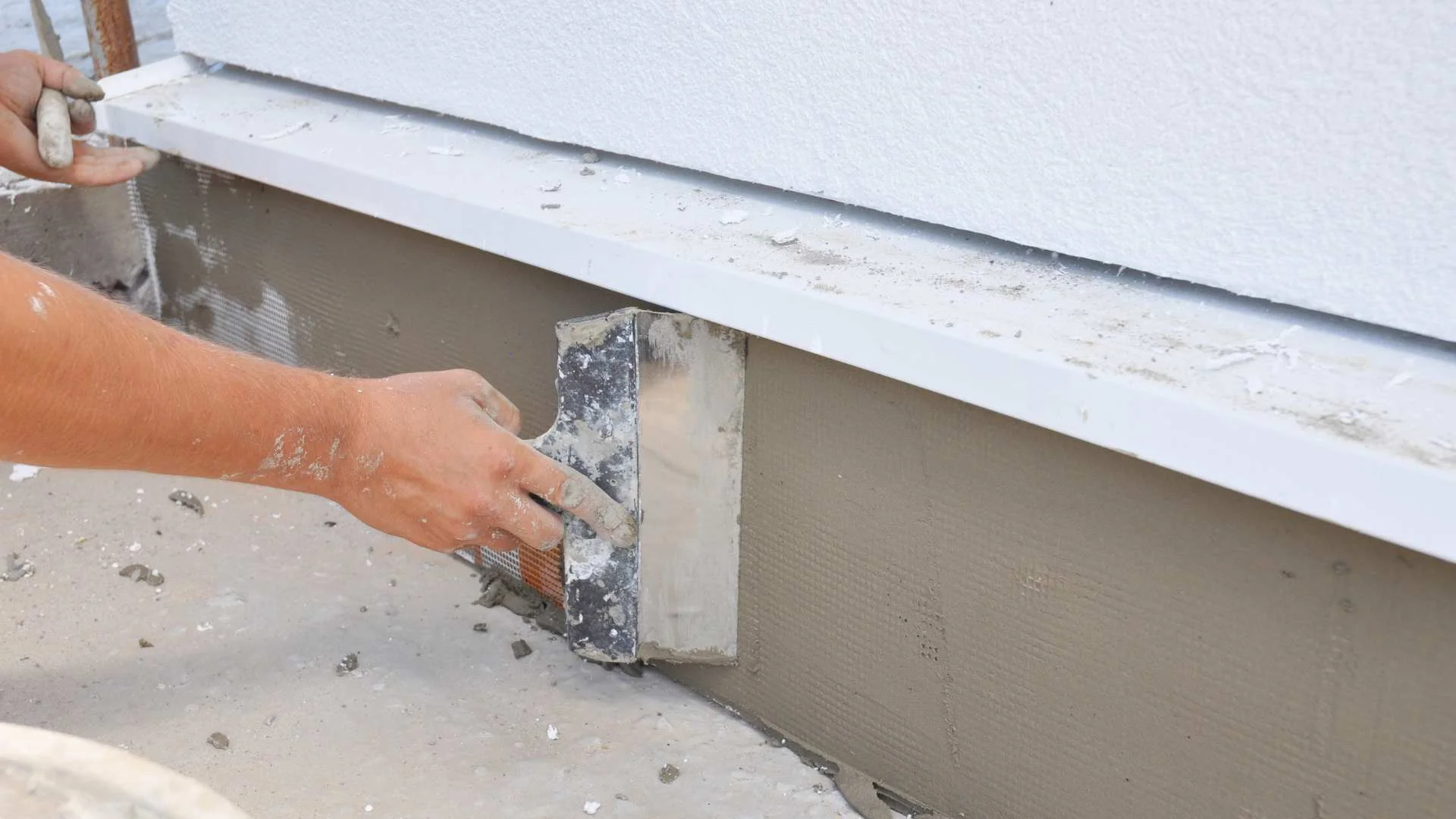
Slab foundation repair (steel piers, pressed concrete piers, helical piers)
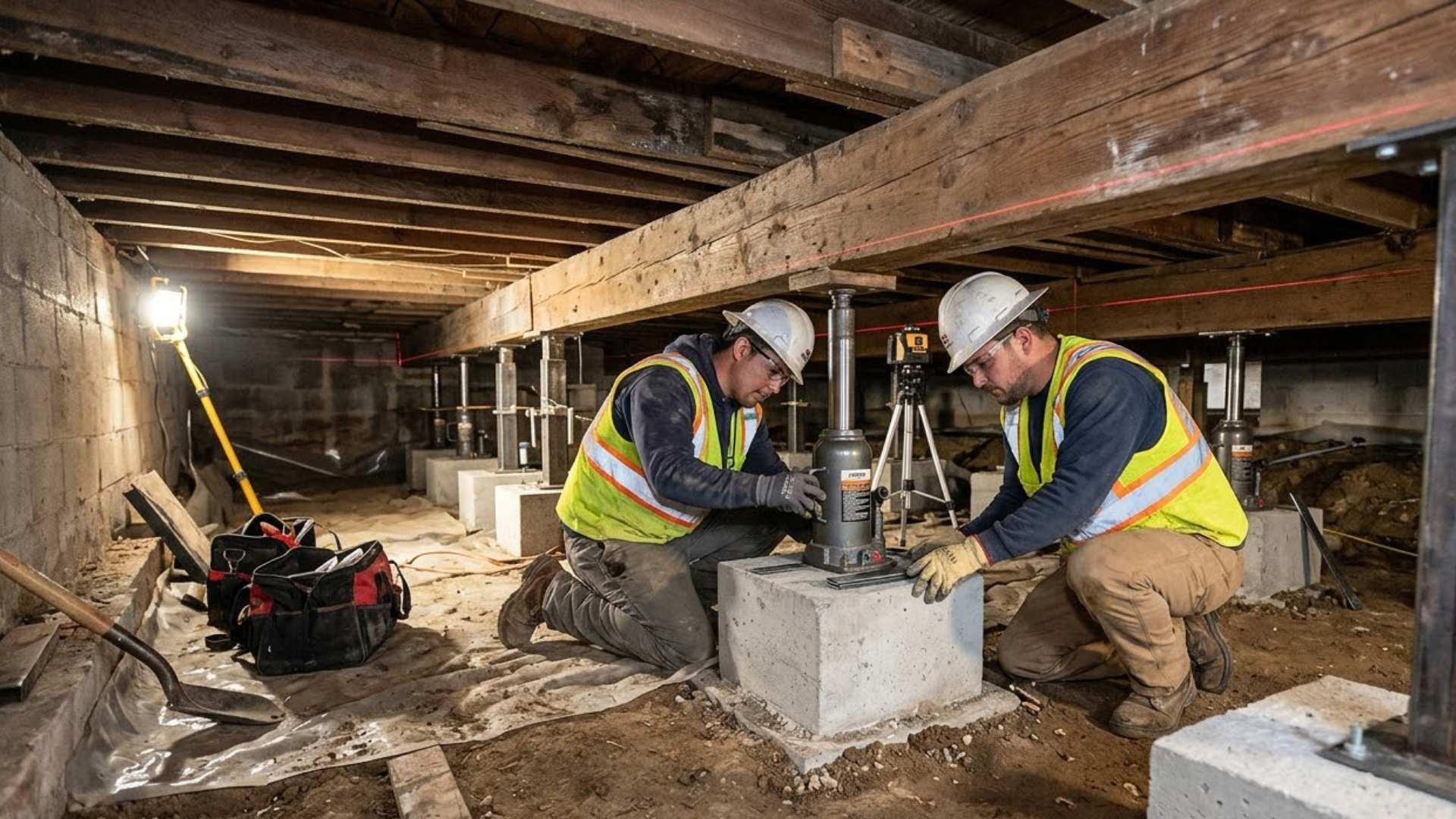
Pier and beam foundation repair for older Schertz homes
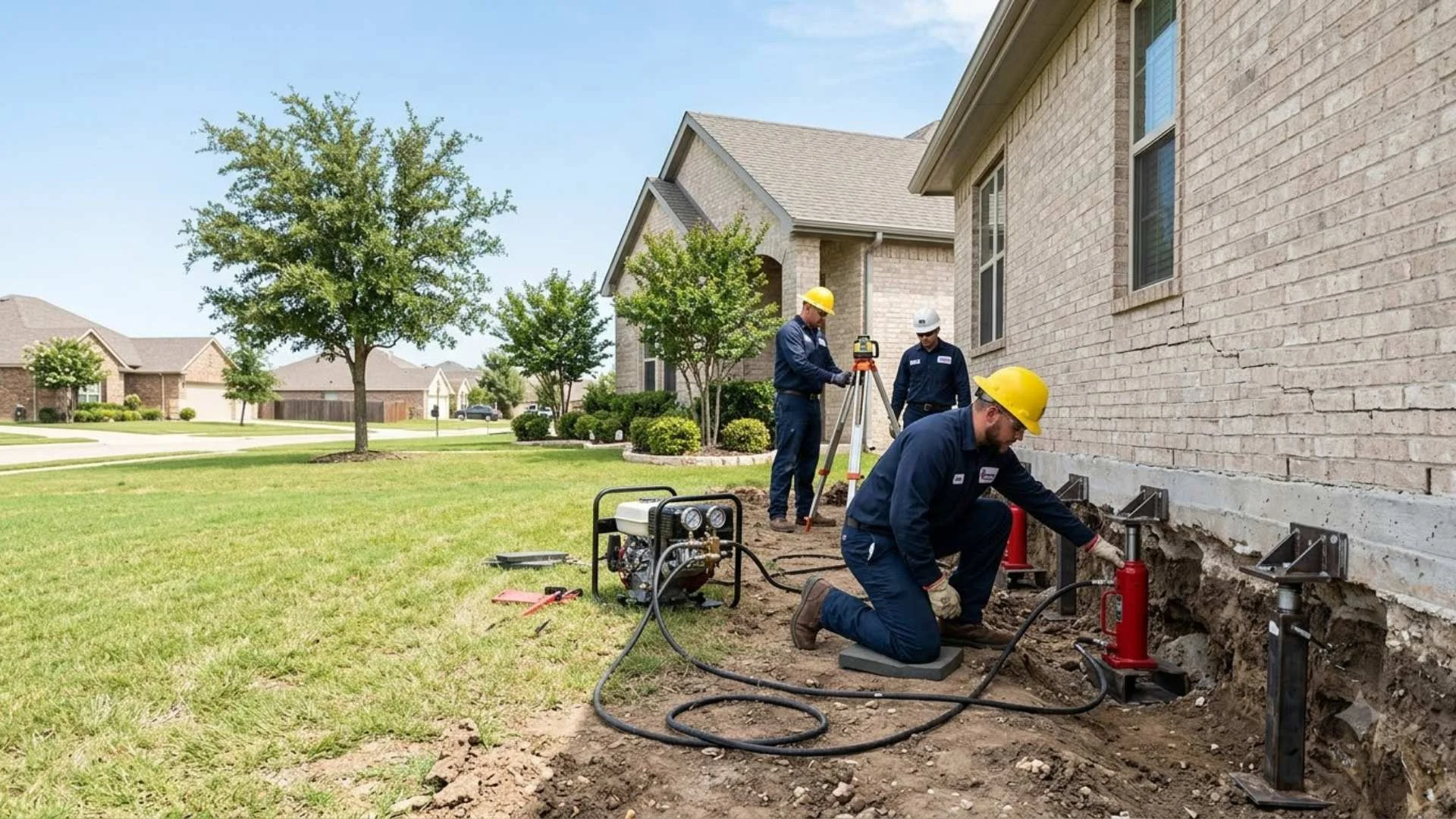
House leveling for differential settlement
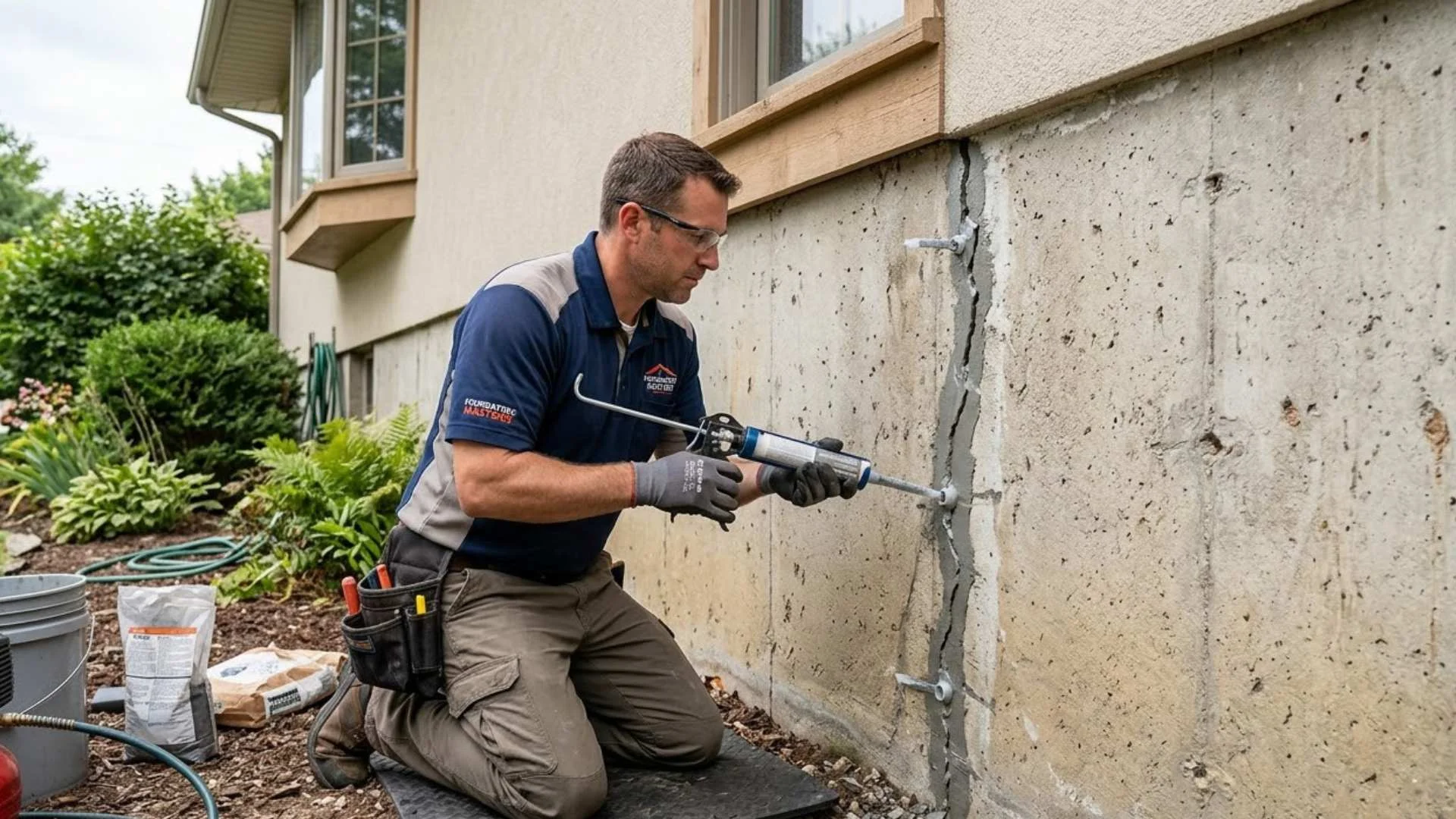
Foundation crack repair (epoxy injection, carbon fiber reinforcement)
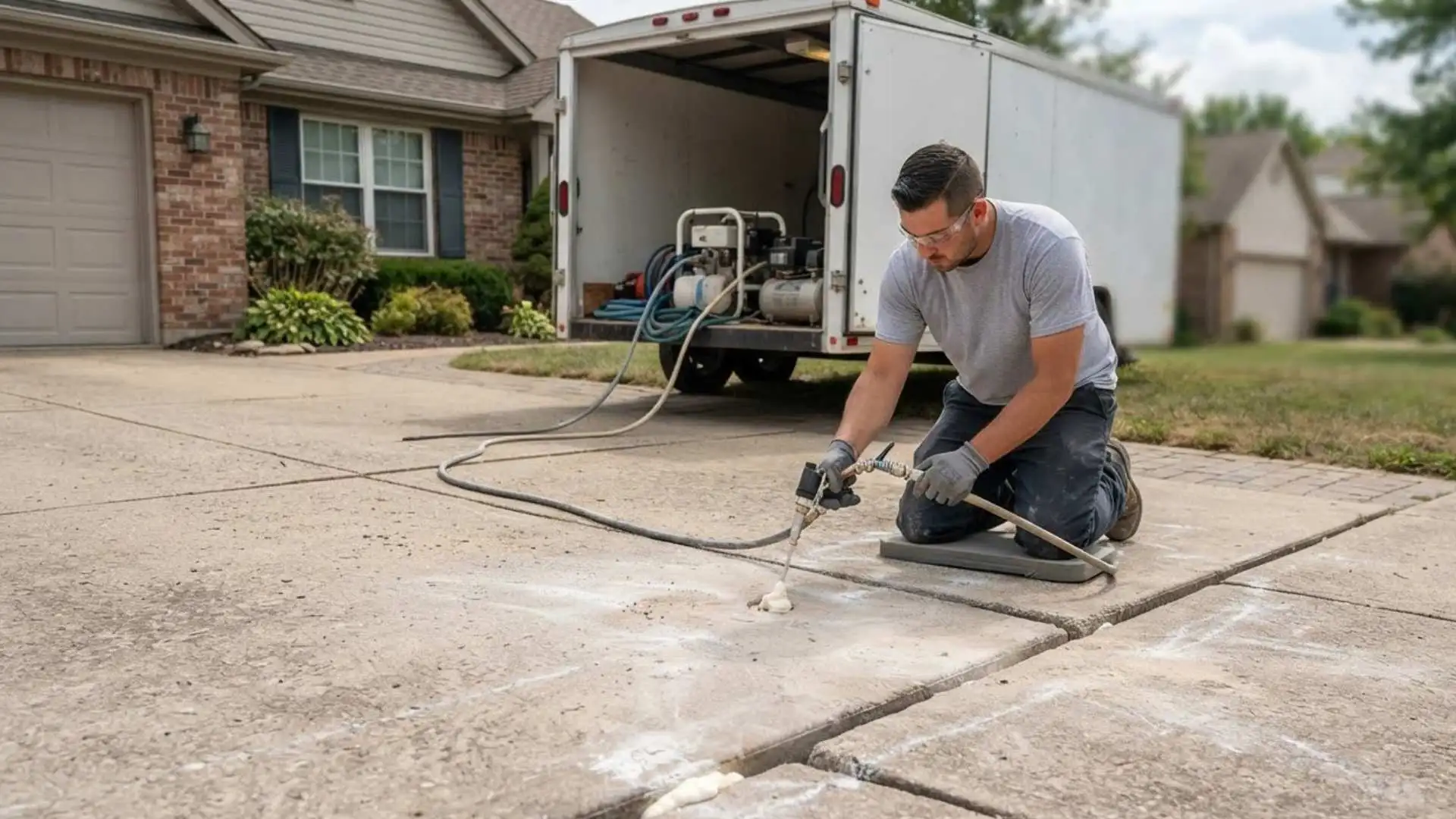
Concrete leveling for sunken driveways, sidewalks, and patios
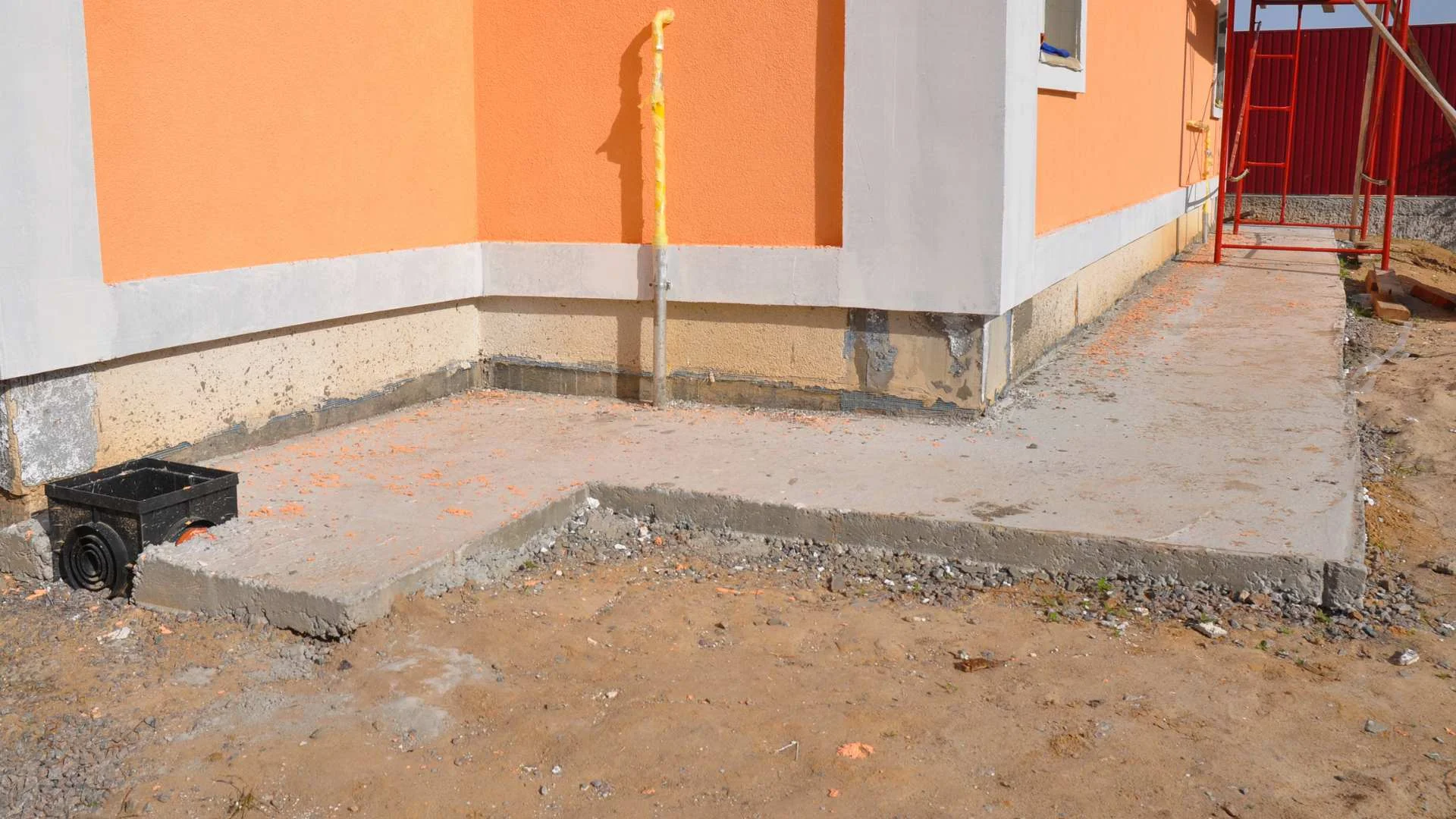
Drainage solutions (French drains, grading corrections, downspout management)
Neighborhoods We Serve in Schertz
Northcliffe
An established neighborhood near Schertz Parkway and FM 3009 that has been through enough wet-dry cycles that old cracks are common. The key question an elevation survey answers is whether those cracks represent active movement or historic settlement that has stabilized.
The Crossvine
A newer subdivision with pockets of expansive clay that shift unpredictably from one property to the next. Homes here are in the 3-to-7-year window where pad consolidation plus a first serious drought bring the earliest foundation symptoms.
Rhine Valley
Part of the I-35 corridor east of Schertz on particularly reactive clays. Homes built without proper drainage design are most vulnerable here, especially those in the lower elevations where water naturally collects.
Belmont Park
A small, established pocket between Schertz Parkway and Roy Richard Drive with modest lots and mature landscaping. Grade drift back toward the slab is common here, and fixing the drainage is often the whole answer.
Aviation Heights and the FM 78 core
The original Schertz neighborhoods near Randolph Air Force Base. Older slab construction on clay that has been cycling for decades. Military families frequently encounter foundation symptoms when buying or selling homes in this area, making pre-sale inspections common.
Kensington Ranch
Homes built on unimproved clay subgrade without proper drainage design face perimeter settlement where the exterior edges drop while the center holds.
Foundation Repair Cost in Schertz
| Repair Type | Typical Cost Range |
|---|---|
| Foundation crack repair | $250 – $800 |
| Minor settlement repair (3–5 piers) | $2,000 – $4,000 |
| Standard slab repair (6–10 piers) | $4,000 – $8,000 |
| Major foundation repair (10+ piers) | $8,000 – $15,000+ |
| Concrete leveling | $500 – $2,500 |
| Drainage correction | $500 – $6,000 |
Frequently Asked Questions
Are older Schertz homes more likely to need foundation repair than newer ones?
Both can need repair, but for different reasons. Older FM 78-area homes have been through decades of clay cycling on lighter-standard slabs, so cumulative settlement is common. Newer FM 3009-area homes can show early symptoms within 3 to 7 years as the construction pad consolidates and the fill settles. The repair approach differs: older homes often need more piers across a larger area, while newer homes may only need targeted repair at the specific settlement point.
Does Randolph Air Force Base proximity affect foundation repair?
Not directly, but it affects the real estate market, which drives inspection demand. Military families buying or selling homes near Randolph frequently request foundation inspections as part of the transaction. A pre-sale inspection can identify issues before they become deal-breakers during the buyer’s inspection.
How does Schertz’s soil compare to New Braunfels?
Both sit on the Blackland Prairie clay belt along I-35, but Schertz’s position directly on the Balcones Fault means the geology transitions sharply from Edwards limestone to deep, highly plastic clay within a short distance. Schertz clay is generally classified as high shrink-swell with the most impact on slab edges exposed to southern and western sun.
Is drainage more important than foundation repair in Schertz?
They’re connected. In many Schertz neighborhoods, especially the older ones where grading has drifted toward the house over decades, fixing the drainage is as important as installing piers. Repairing the foundation without correcting the drainage that caused the damage is likely to result in recurrence.
How much does foundation repair cost in Schertz?
Most residential slab repairs in Schertz range from $2,000 to $8,000 depending on the number of piers needed. Smaller repairs (3-5 piers) start around $2,000. Larger projects requiring full-perimeter stabilization can exceed $15,000. A free inspection provides an accurate quote for your specific situation.
Get a Free Foundation Estimate in Schertz
Whether your home is near Randolph on the FM 78 side or in one of the newer subdivisions along FM 3009, a free inspection gives you clear answers about your foundation’s condition. Comal Foundation Repair serves all of Schertz and surrounding communities including Cibolo, Garden Ridge, Universal City, and Selma.