
Pier and Beam Foundation Repair in New Braunfels
Comal Foundation Repair provides free pier and beam foundation inspections for homeowners throughout New Braunfels. If you have an older home with a crawl space foundation, we’ll assess the condition of the piers, beams, joists, and crawl space environment and provide a clear, written report of our findings.
Request A Free Estimate
Understanding Pier and Beam Foundations
Pier and beam foundations, also called post and beam or crawl space foundations, elevate a home above the ground on a system of vertical piers and horizontal beams. Wooden joists span across the beams to support the floor. The space between the ground and the floor is the crawl space, typically 18 to 24 inches high. This foundation type is common in older New Braunfels homes, particularly in neighborhoods near downtown, the Gruene area, and along the Guadalupe River corridor. Most homes built in Texas before the 1960s used pier and beam construction. While newer construction in the area is almost exclusively slab-on-grade, thousands of existing homes in the New Braunfels area still sit on pier and beam foundations. The advantage of pier and beam construction is accessibility. Plumbing, electrical, and structural components are reachable through the crawl space without cutting into concrete. The disadvantage is vulnerability: the wooden components are susceptible to moisture damage, pest damage, and soil movement that can shift the piers out of alignment.
How Pier and Beam Foundations Fail
Pier and beam foundations experience different failure modes than slab foundations:
Pier settlement or shifting. The same expansive clay soils that damage slab foundations also affect pier and beam systems. Piers can settle, tilt, or shift horizontally as the soil beneath them moves. When a pier shifts, the beam above it loses support, and the floor above that beam sags. In New Braunfels, pier movement is most pronounced during drought-to-rain transitions when the soil volume changes rapidly.
Beam deterioration. Wooden beams absorb moisture from the crawl space environment. Over time, this leads to rot, softening, and loss of load-bearing capacity. In the New Braunfels area, humidity in the crawl space is a persistent concern, especially in homes near the Guadalupe River where water tables are higher. Beams that have been sitting in a chronically damp crawl space for decades will eventually reach a point where they can no longer support the load above them.
Joist damage. Floor joists can sag, crack, or rot independently of the beams they rest on. Termite damage, fungal decay, and long-term overloading all contribute to joist failure. In the Hill Country, subterranean termites are active year-round and frequently enter homes through the crawl space, targeting the joists and beams that provide structural support.
Inadequate original design. Some older homes were built with pier spacing that was adequate for the original structure but insufficient for additions, renovations, or changing soil conditions. A home that was expanded without adding pier support beneath the addition will eventually show settlement in the added section. This is common in the Gruene and downtown New Braunfels neighborhoods where original 1940s and 1950s homes have been renovated and expanded over the decades.
Moisture accumulation. Standing water in the crawl space accelerates every other failure mode. It promotes wood rot, attracts termites, destabilizes soil beneath the piers, and creates conditions where mold can compromise air quality inside the home. Crawl spaces without proper vapor barriers, drainage, or ventilation are at highest risk.
Pier and Beam Repair Methods
Shimming and re-leveling. For minor settlement, steel or hardwood shims are placed between the beam and pier to restore level. This is the least invasive repair and works well for small elevation changes where the piers themselves are still structurally sound. Cost is typically $1,000 to $3,000 depending on the number of locations that need adjustment.
Pier replacement. When existing piers have failed, settled beyond adjustment, or shifted out of alignment, new concrete block piers or driven steel piers are installed to restore support. The home is temporarily jacked to the correct elevation while new piers are set in place. Pier replacement typically costs $300 to $500 per pier, depending on depth and accessibility.
Beam reinforcement or replacement. Rotted or deteriorated beams are either reinforced with additional material (a process called sistering, where a new beam is bolted alongside the damaged one) or fully replaced. Full replacement involves temporarily supporting the floor joists while the damaged beam is removed and a new beam is installed. Beam replacement costs typically range from $1,500 to $4,000 per beam depending on length and accessibility.
Additional pier installation. When the original pier layout doesn’t provide adequate support, additional piers are installed between existing ones to reduce the span each beam carries. This is common in homes where additions were built without sufficient foundation support, or where the original pier spacing was designed for a lighter load than the home now carries.
Crawl space moisture management. Vapor barriers (heavy-duty polyethylene sheeting laid across the crawl space floor and up the walls), improved ventilation, and drainage corrections address the moisture problems that cause wood rot and accelerate pier settlement. This work is often performed alongside structural repairs to prevent recurrence. A complete crawl space encapsulation typically costs $1,500 to $4,000 depending on the size of the crawl space.
Joist repair or replacement. Individual joists that have rotted, cracked, or been damaged by termites are either sistered (reinforced with a new joist alongside) or fully replaced. When multiple joists have failed in the same area, the entire floor section may need to be re-supported.
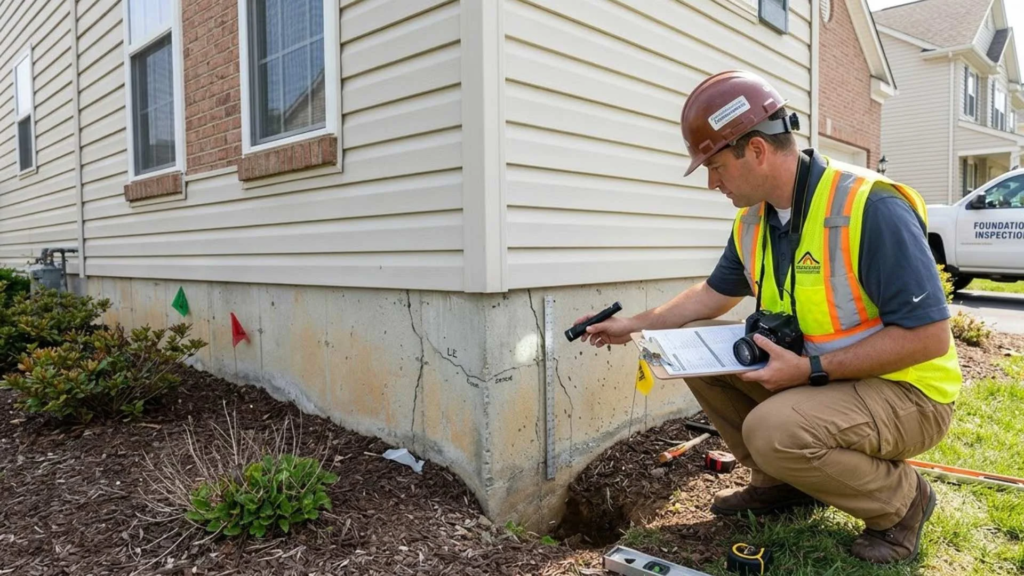
Signs of Pier and Beam Foundation Problems
- Bouncy or springy floors when walking
- Visible sagging in floor sections, especially in hallways or near load-bearing walls
- Musty or damp smell coming from beneath the home
- Doors that stick or swing open on their own
- Visible gaps between the floor and baseboards
- Cracks in interior walls, particularly at ceiling height
- Tilted or leaning piers visible in the crawl space
- Evidence of termite damage or wood rot on structural members
- Standing water or persistent dampness visible in the crawl space
- Increased pest activity (rodents, insects) entering through the crawl space
If you can access your crawl space safely, a visual check for tilting piers, sagging beams, standing water, or wood damage can help determine whether a professional inspection is needed. If you’re uncomfortable entering the crawl space, a free professional inspection covers everything.
What Pier and Beam Repair Costs
| Repair Type | Typical Cost Range |
|---|---|
| Shimming and re-leveling | $1,000 – $3,000 |
| Pier replacement (per pier) | $300 – $500 |
| Beam replacement (per beam) | $1,500 – $4,000 |
| Joist repair/sistering (per joist) | $100 – $300 |
| Crawl space vapor barrier | $1,500 – $4,000 |
| Full pier and beam restoration | $5,000 – $15,000+ |
Frequently Asked Questions
How do I know if I have a pier and beam foundation?
If your home has a crawl space beneath it that you can access through a hatch or vent opening, you likely have a pier and beam foundation. Homes built in the New Braunfels area before the 1960s almost always used this construction method. If there is no crawl space and the floor sits directly on concrete, you have a slab foundation.
How often should pier and beam foundations be adjusted?
In the New Braunfels area, with its expansive clay soils and seasonal moisture cycles, checking and potentially adjusting your piers and beams every 2 to 4 years is a reasonable maintenance practice. Homes near the river or in lower-elevation areas may need more frequent attention due to higher moisture exposure.
Can a pier and beam foundation be converted to a slab?
Technically yes, but it’s rarely practical or cost-effective. The conversion requires lifting the entire structure, removing the existing foundation, preparing the site, and pouring a new slab. In most cases, repairing and maintaining the pier and beam system is significantly less expensive than converting to slab.
Do I need a vapor barrier in my crawl space?
In the New Braunfels climate, a vapor barrier is strongly recommended for any pier and beam home. Without one, ground moisture evaporates directly into the crawl space, creating the humid environment that promotes wood rot, mold growth, and termite activity. A properly installed vapor barrier is one of the most cost-effective ways to protect a pier and beam foundation long term.
How long does pier and beam repair take?
Most pier and beam repairs are completed in 1 to 3 days. Simple shimming and re-leveling can be done in a single day. More extensive projects involving pier replacement, beam replacement, and crawl space work may take 3 to 5 days depending on the scope.
Get a Free Pier and Beam Inspection
If you own an older New Braunfels home with a crawl space foundation, a free inspection gives you a clear picture of your foundation’s condition. We’ll assess the piers, beams, joists, and crawl space environment, and provide an honest recommendation, even if the answer is “no repair needed right now.” Comal Foundation Repair serves all of New Braunfels and surrounding Comal County communities.