
Foundation Repair in Seguin, TX
Comal Foundation Repair provides free foundation inspections for Seguin homeowners throughout Guadalupe County. If you’re noticing cracks, uneven floors, or sticking doors, a free inspection determines what’s happening beneath your home and whether repair is needed.
Request A Free Estimate
Why Soil Matters for Seguin Foundations
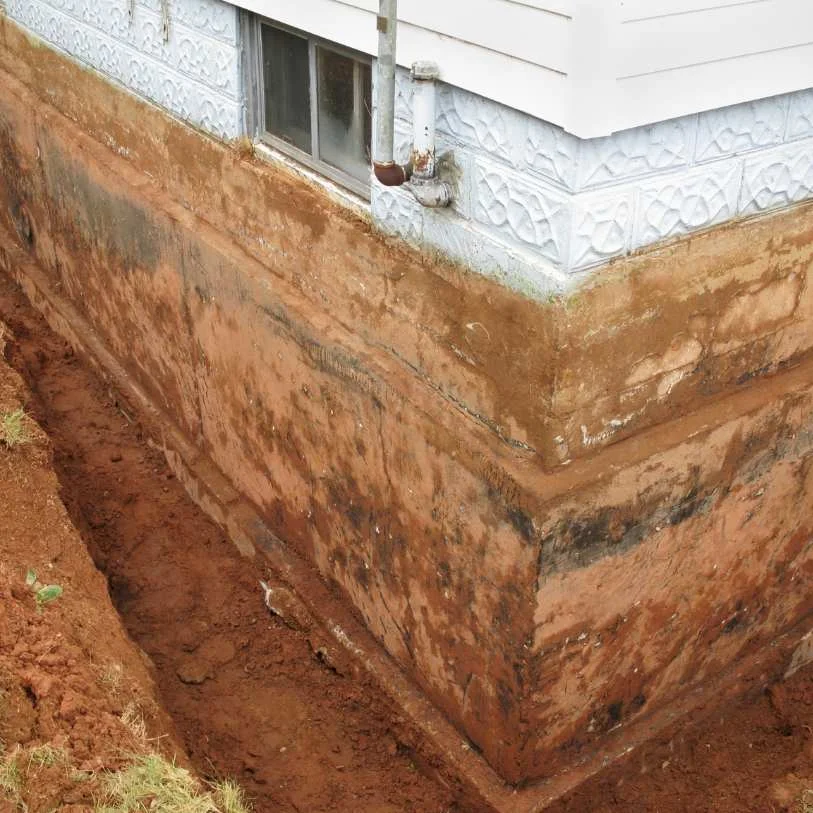
Foundation repair in Seguin, Texas, is shaped by a soil transition that runs across Guadalupe County. The northwestern section of the county, closer to New Braunfels and Comal County, sits on Blackland Prairie clay, the same dark, calcareous, high-shrink-swell material that causes foundation problems across Central Texas. But as you move southeast through Seguin toward Gonzales and Wilson counties, the soil composition gradually shifts to the Upper Coastal Plain: finer, sandy loam soils that behave differently under foundations. Many Seguin homes sit somewhere in between, where the clay content is high enough to cause seasonal movement but mixed with enough sand and gravel to create unpredictable foundation behavior. The Guadalupe River, which runs through the heart of Seguin, adds another variable: fluctuating water tables and river-adjacent soils that respond to both seasonal rainfall and upstream reservoir releases.
Why Seguin Homes Develop Foundation Problems
Expansive clay soils. The Blackland Prairie clay that dominates the northwestern part of Guadalupe County has a shrink-swell cycle driven by seasonal moisture. During Seguin’s hot summers, the clay dries and contracts, pulling support away from the foundation. When fall and spring rains arrive, the clay absorbs moisture and expands, pushing against the foundation unevenly. This cycle repeats year after year, gradually fatiguing the concrete.
Mixed soil composition. Unlike cities that sit entirely on one soil type, Seguin’s position in the transition zone means some properties have clay soils that behave one way while neighboring properties have sandier soils that respond differently. A foundation built on mixed soils can experience differential settlement because different sections of the foundation sit on materials that expand and contract at different rates.
Guadalupe River influence. Properties near the Guadalupe River, McQueeney, and the chain of lakes (Meadow Lake, Lake McQueeney, Lake Placid, Nolte Island) face additional foundation stress from fluctuating water tables. When river levels rise, the groundwater beneath nearby homes rises too, saturating the soil and causing expansion. When levels drop, the soil dries unevenly.
Aging housing stock. Seguin was founded in 1838 and is one of the oldest towns in Texas. Many homes in the historic downtown area and established neighborhoods have been through over a century of soil movement. Older pier and beam foundations in these areas may have deteriorated wooden components, shifted piers, and crawl spaces that have never been properly managed for moisture.
Rapid new development. At the same time, Seguin’s population has grown from 29,000 to over 36,000 in just a few years, with new subdivisions going up on previously agricultural or undeveloped land. These newer homes are built on soil that may not have been adequately tested or prepared for long-term residential foundation loads.
Foundation Repair Services in Seguin
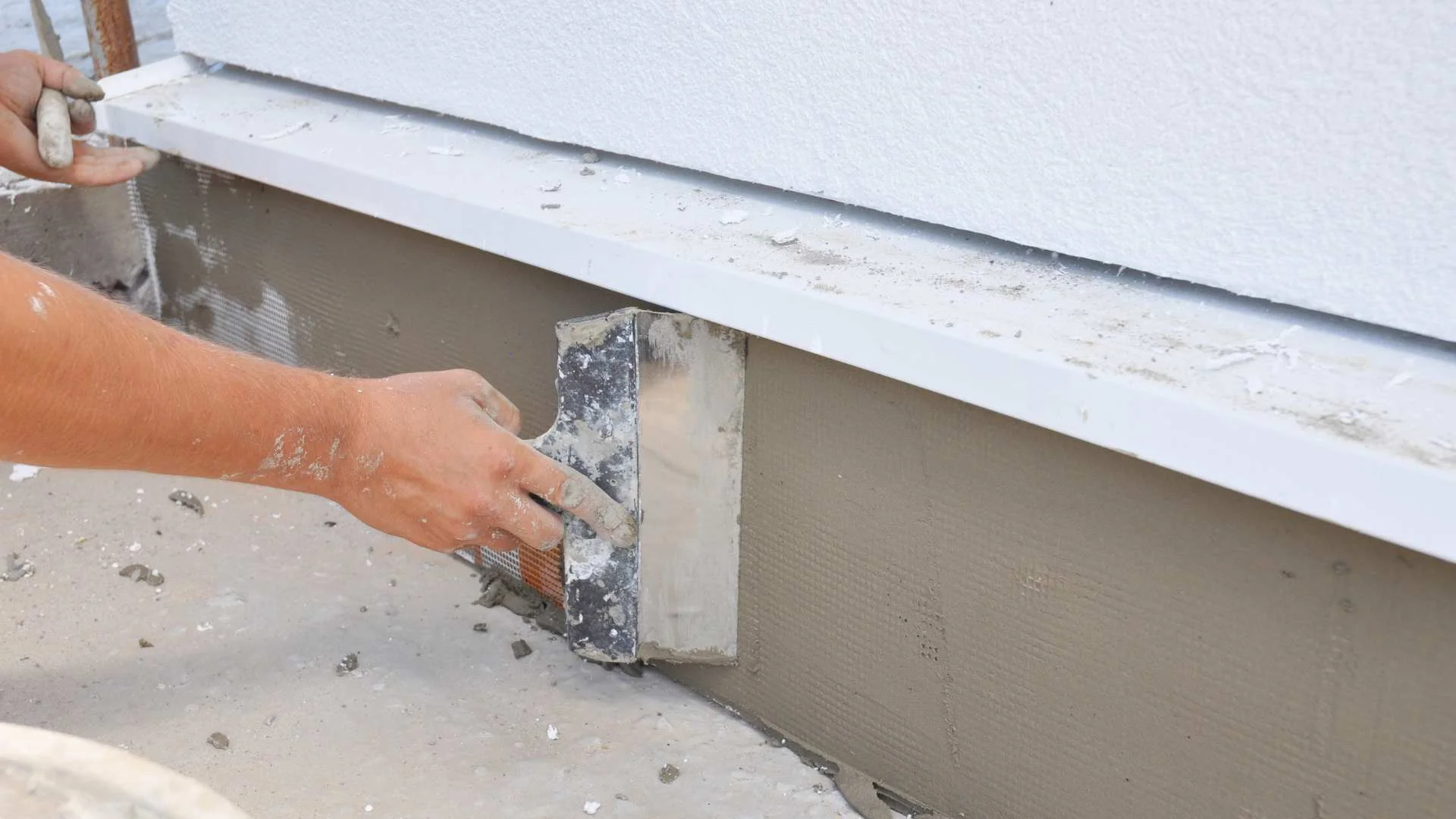
Slab foundation repair (steel piers, pressed concrete piers, helical piers)
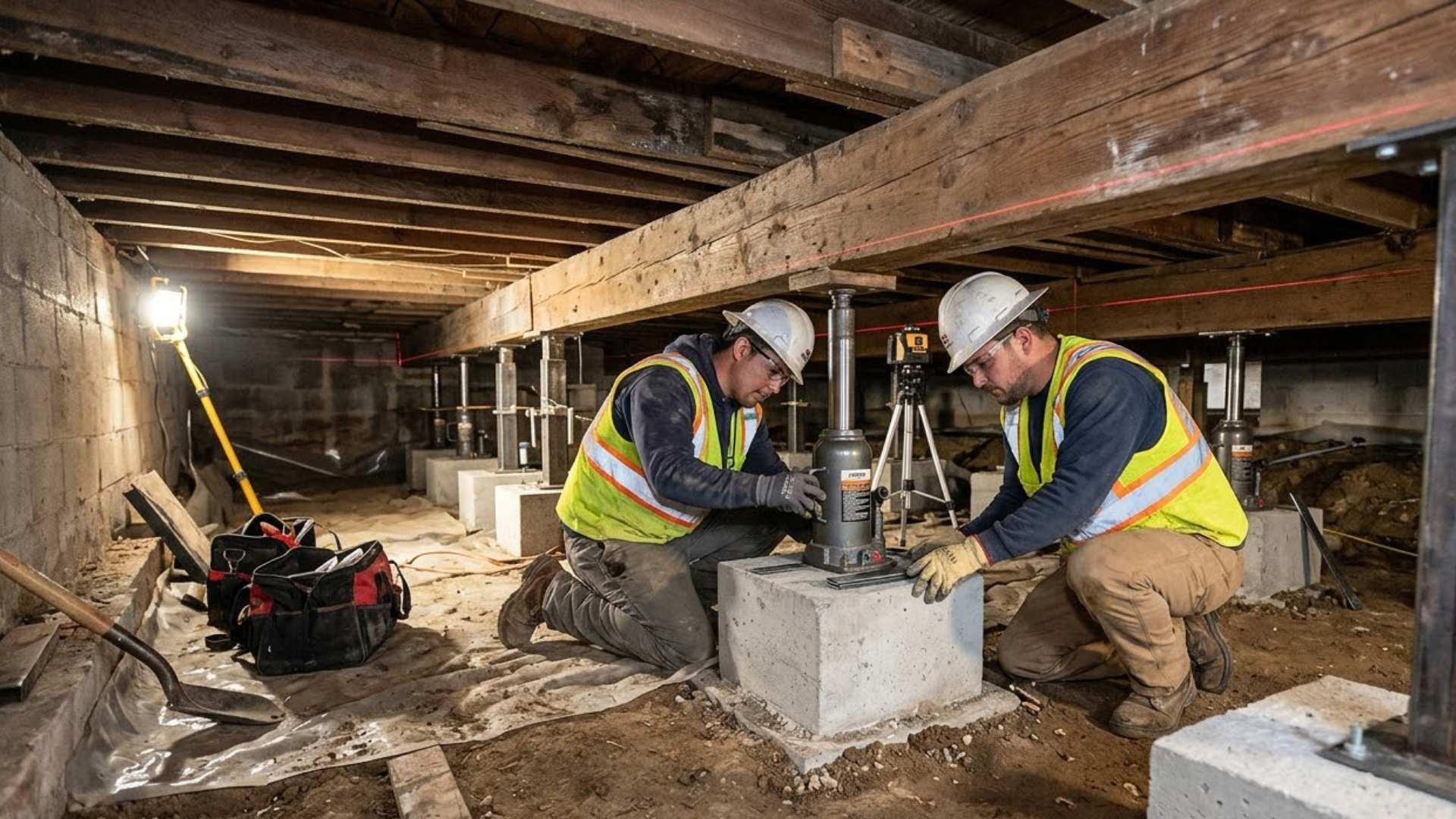
Pier and beam foundation repair (shimming, pier replacement, beam reinforcement, crawl space encapsulation)
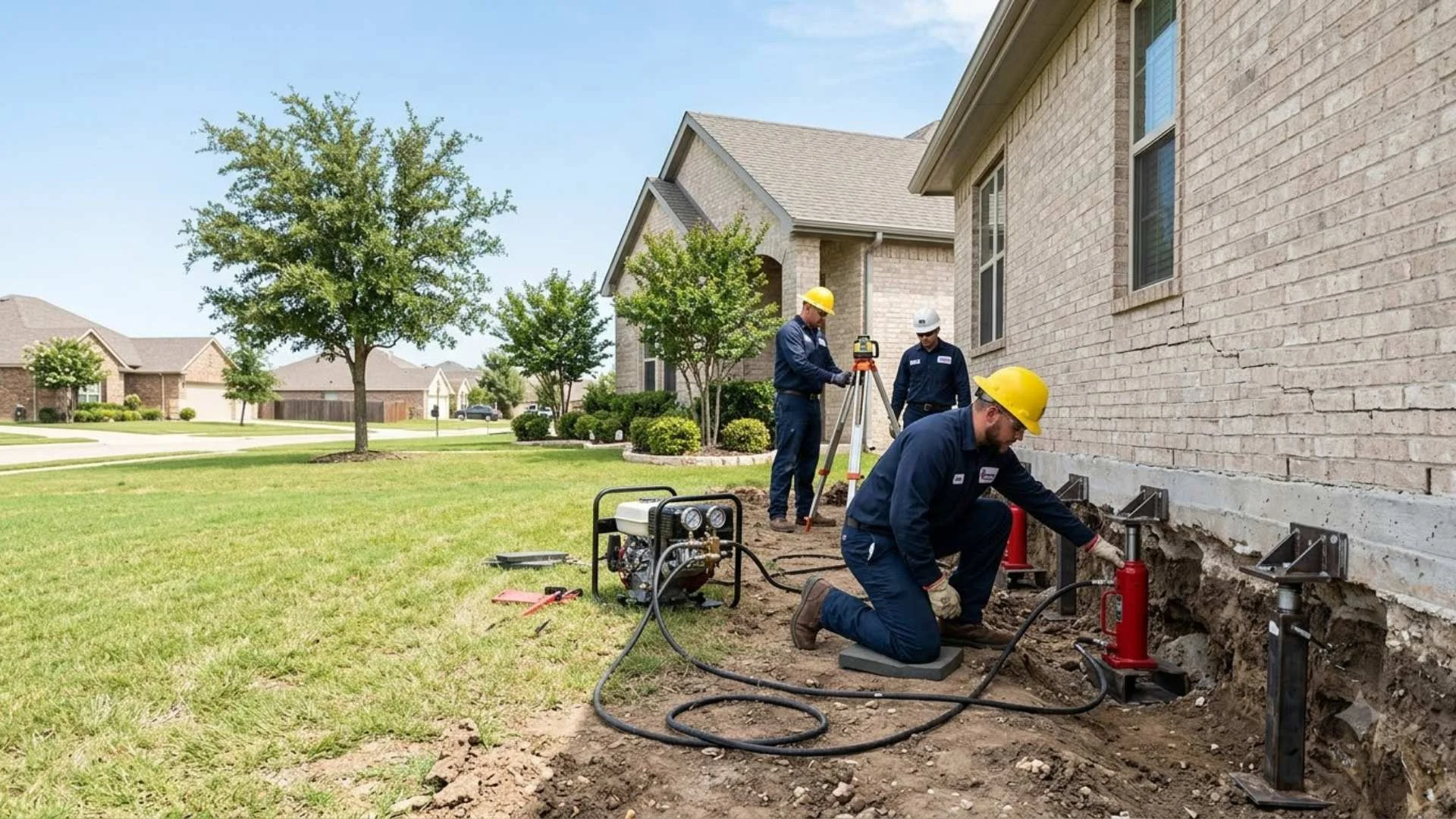
House leveling for homes with uneven floors from differential settlement
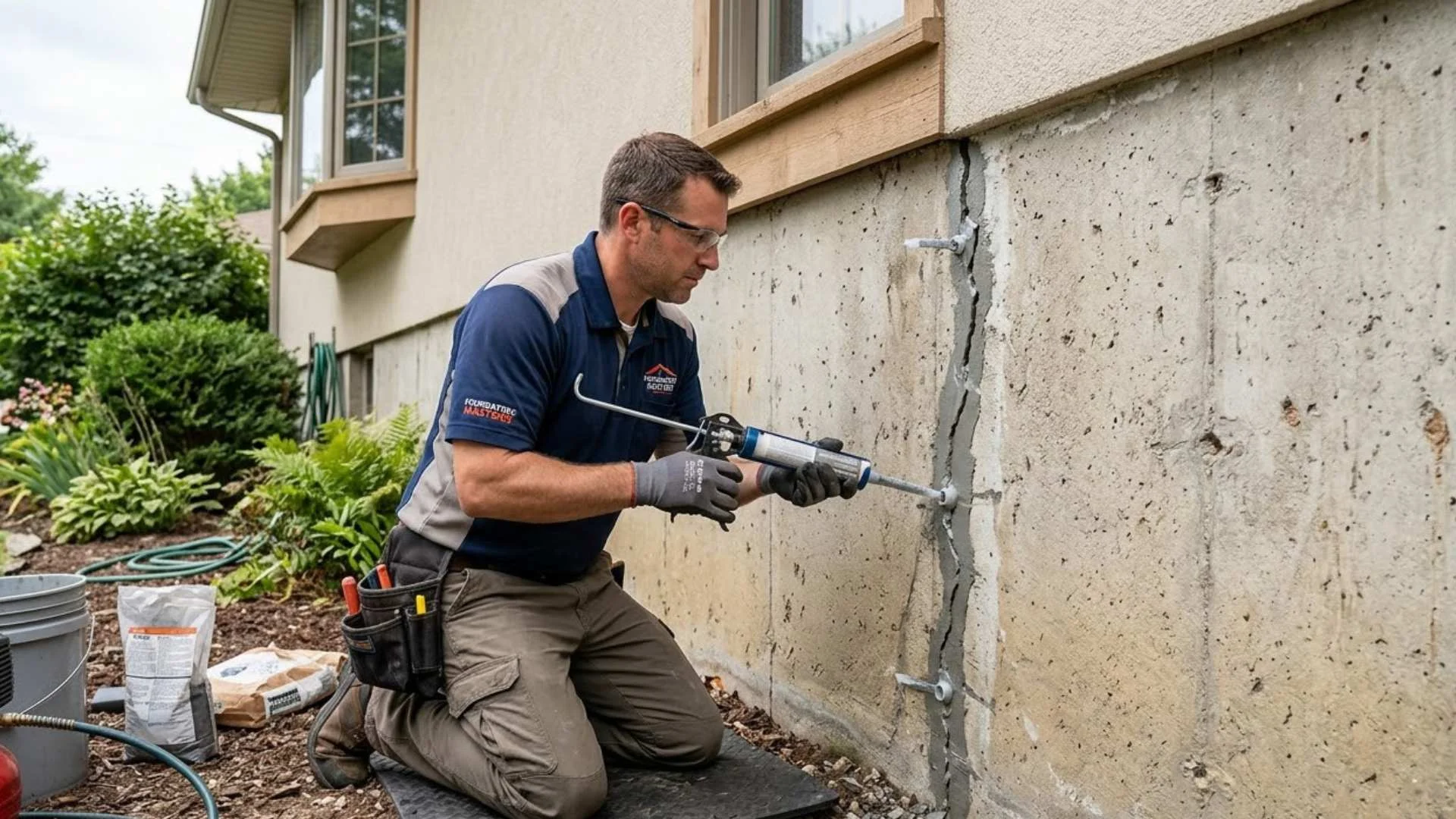
Foundation crack repair (epoxy injection, carbon fiber reinforcement)
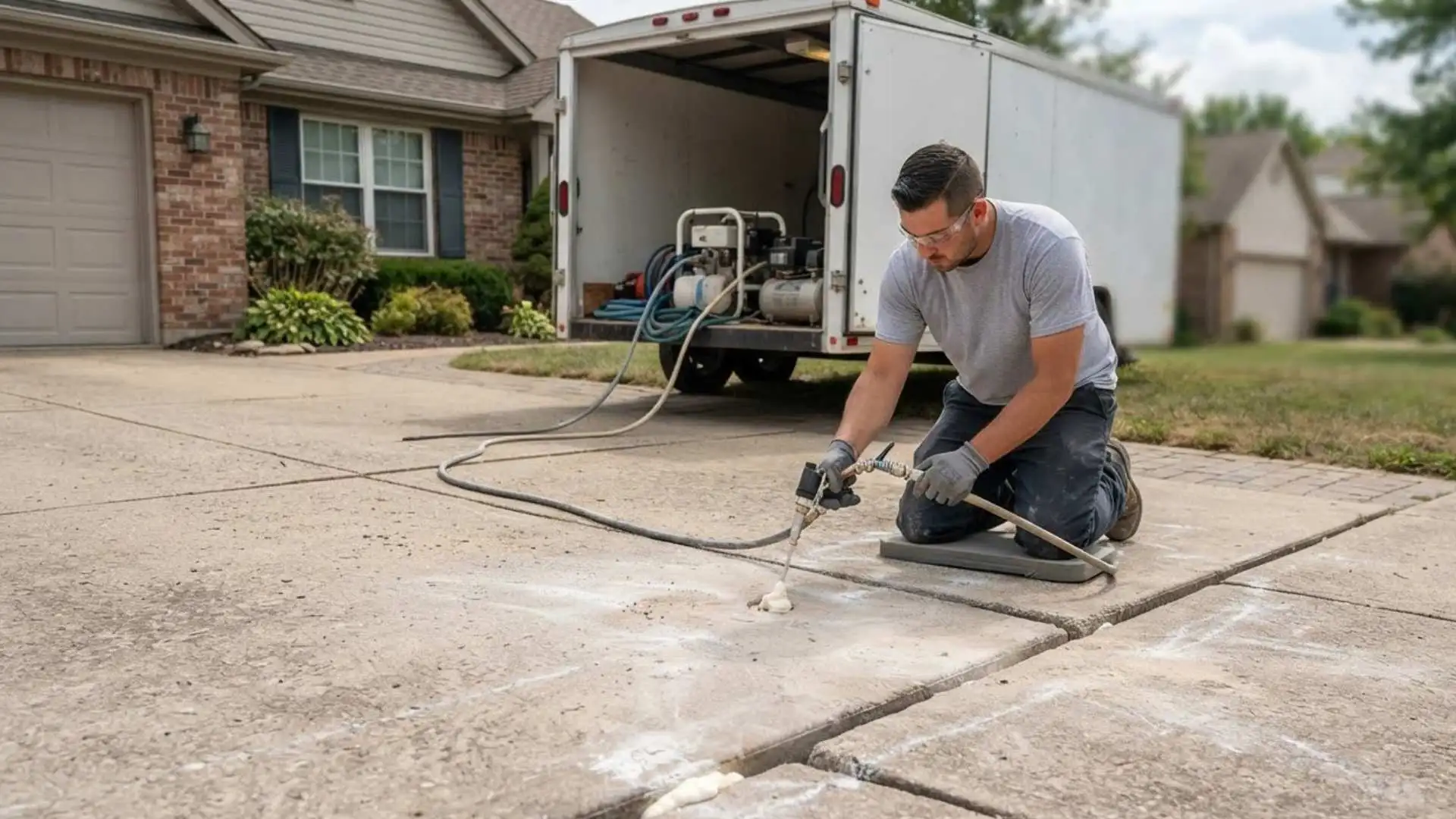
Concrete leveling for sunken driveways, sidewalks, and patios
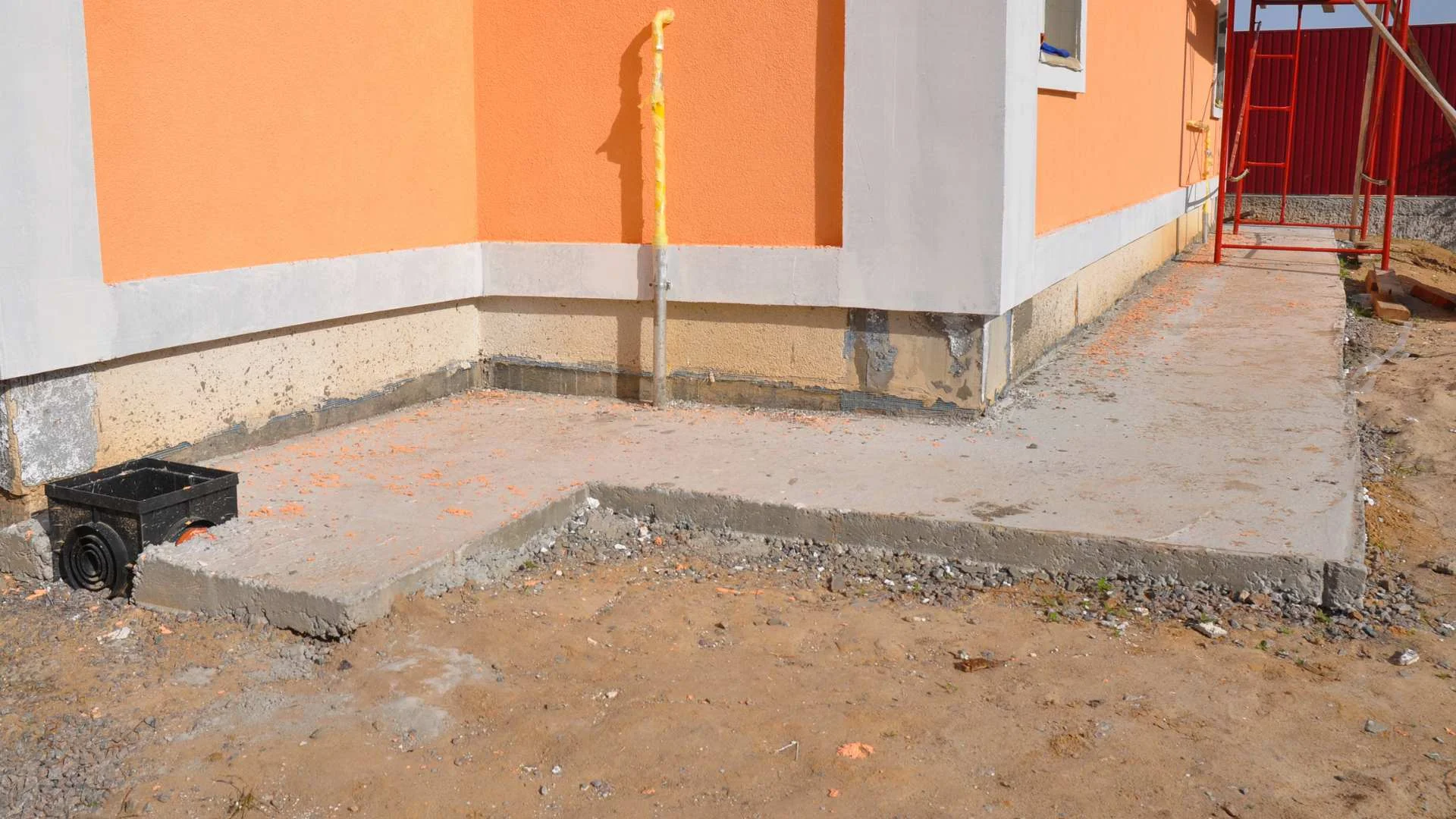
Drainage solutions (French drains, grading corrections, downspout management)
Neighborhoods We Serve in Seguin
Historic downtown and the Sebastopol area
Some of the oldest residential construction in Guadalupe County. Pier and beam foundations from the early 1900s and earlier. These homes need specialized crawl space assessment and beam repair, not just pier installation.
Navarro Ranch and Cordova Crossing
Newer master-planned communities on the growth corridors. Standard slab-on-grade construction on expansive clay. These homes are susceptible to the same settlement patterns seen across the Blackland Prairie.
Mill Creek Crossing and Las Brisas
Established residential neighborhoods with homes ranging from newer construction to properties with aging plumbing and drainage infrastructure. Underground pipe leaks beneath slab foundations are a common secondary cause of foundation movement here.
McQueeney and the lake communities
Properties near Lake McQueeney and the Guadalupe River chain face elevated moisture exposure that accelerates foundation stress. Higher water tables, periodic flooding, and river-adjacent soils create conditions where drainage management is especially critical.
Walnut Springs and Country Club area
Established Seguin neighborhoods with mature trees and landscaping that can draw moisture from beneath foundations during dry periods, creating localized settlement.
Foundation Repair Cost in Seguin
| Repair Type | Typical Cost Range |
|---|---|
| Foundation crack repair | $250 – $800 |
| Minor settlement repair (3–5 piers) | $2,000 – $4,000 |
| Standard slab repair (6–10 piers) | $4,000 – $8,000 |
| Major foundation repair (10+ piers) | $8,000 – $15,000+ |
| Pier and beam repair | $1,000 – $15,000+ |
Frequently Asked Questions
How does the Guadalupe River affect foundations in Seguin?
Properties near the Guadalupe River and the chain of lakes (McQueeney, Meadow Lake, Lake Placid) experience fluctuating water tables that affect soil moisture beneath foundations. When river levels rise, groundwater saturates the soil and causes expansion. When levels drop, the soil dries unevenly. Homes within a few hundred yards of the river or lakes should pay particular attention to drainage and moisture management around their foundations.
Is Seguin’s soil different from New Braunfels?
Yes. While both cities have expansive clay soils, Seguin sits in a transition zone where Blackland Prairie clay gradually shifts to Upper Coastal Plain sandy loam as you move southeast. This means some Seguin properties have clay-dominant soils while others have a clay-sand mix that behaves differently. The specific soil beneath your property affects which repair method is most effective.
Do older Seguin homes need different foundation repair?
Often, yes. Many older homes in Seguin’s historic downtown were built with pier and beam foundations. These require different repair approaches than modern slab foundations, including crawl space assessment, beam reinforcement or replacement, pier adjustment, and moisture management. The wooden components in these foundations are susceptible to rot, termites, and deterioration that slab foundations don’t experience.
How long does foundation repair take in Seguin?
Most slab repairs are completed in 1 to 3 days. Pier and beam repairs on older homes may take 3 to 5 days. Projects that include drainage correction alongside structural repair may extend the timeline by an additional day.
Are new Seguin subdivisions at risk for foundation problems?
Yes. New subdivisions built on previously agricultural or undeveloped land sit on the same expansive clay that has caused foundation problems in this region for generations. Newer homes can begin showing symptoms within their first few years as site fill consolidates and the soil goes through its initial drought-to-rain cycles.
Get a Free Foundation Estimate in Seguin
If you’re noticing foundation damage in your Seguin home, a free inspection gives you clear answers. Whether your home sits on Blackland Prairie clay near the I-10 corridor or on the mixed soils closer to the Guadalupe River, we’ll identify the cause and recommend the right approach. Comal Foundation Repair serves all of Seguin and surrounding Guadalupe County communities including Schertz, Marion, McQueeney, and Cibolo.